
HISTORY
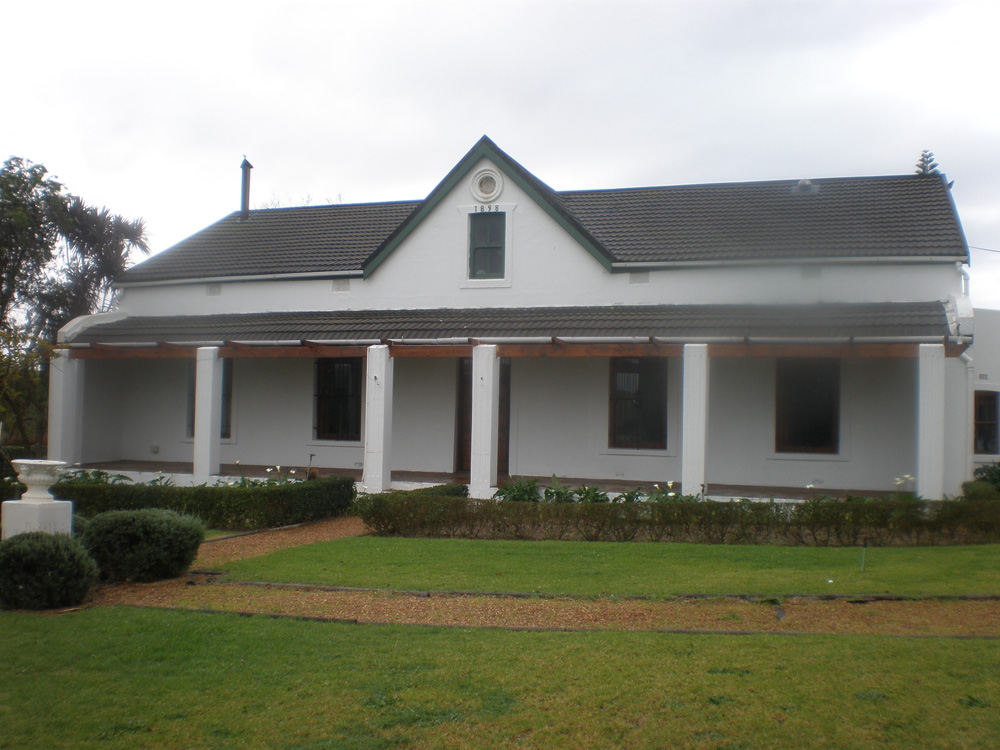
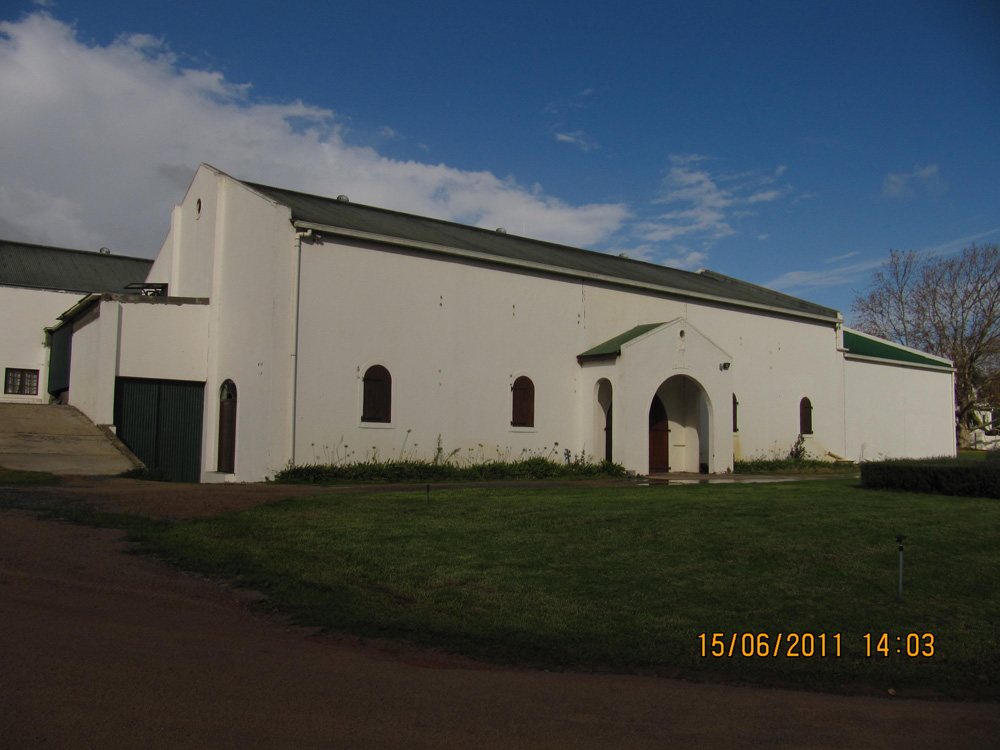
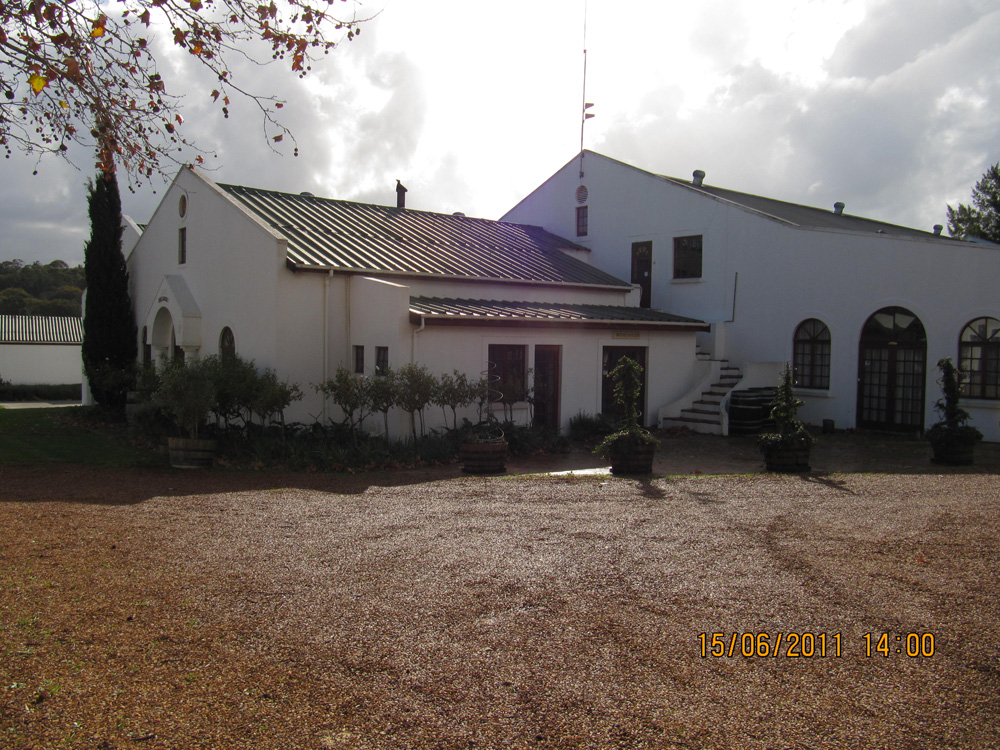
The farm Lower-Rustenberg is situated in the Stellenbosch wine region in the Western Cape Province of South Africa. This specific area is known as the Helderberg basin referring to the Helderberg mountain (clear mountain) that towers over the town of Somerset West, the surrounding farmlands and the cool waters of nearby False Bay. This land has been cultivated for more than 150 years with the focus on wheat and livestock but in the early 1900’s the first vineyards were planted. It was also during this time, somewhere around 1905 to 1907, that the original homestead, now empty since the completion of a new homestead in 1898, was converted to a wine cellar. As was the custom in those days open fermentation tanks and storage tanks were built from concrete. Today, more than 100 years later, these tanks are still in use and the homestead still functions as the main house on the farm.
At some stage in the 1930’s winemaking was stopped on the property and the abandoned cellar slowly began falling apart, but in 1995 the then owner began rebuilding and modernising the wine cellar. The cement tanks were restored and a new structure was erected around it to accommodate more and modern machinery as well as state of the art stainless steel fermentation and storage tanks. The first wine was produced in this 750 ton capacity cellar in 1997.
The Lan family purchased the property in 2008 and named it Lanrust Wine Estate, a combination of their family name and Rustenberg (the Afrikaans meaning of rust is “place of rest”).


OUR TEAM
Schalk van der Westhuizen heads up our Lanrust team as general manager of the farm as well as the cellar master. He is assisted by Samantha de Morney-Hughes, who is the assistant manager of the farm as well as the assistant winemaker.
WINES
Every year we produce bulk red wine for sale to various producers. Cultivars are Merlot, Cabernet Sauvignon, Shiraz and Petit Verdot. The wines are made to the buyer’s specifications. A small portion is held back and bottled for our own use.
2010 VINTAGE
2010 Vintage is a blend of 50% Merlot, 33% Cabernet Sauvignon and 17% Petit Verdot. The wine was matured in small French Oak barrels for 12 months before being bottled. It shows earthy and red fruit aromas on the nose which carry through to the palate. It is full-bodied with smooth tannins and flavours of ripe red and black fruit as well as some spice on the aftertaste.
2011 VINTAGE
2011 Vintage is a 50/50 blend of Cabernet Sauvignon and Merlot. The wine was also matured in small French Oak barrels for 12 months prior to bottling. It is a more elegant wine showing aromas of black fruit and cassis on the nose that carries through to the palate. The wine has firm but smooth tannins and has a long aftertaste.
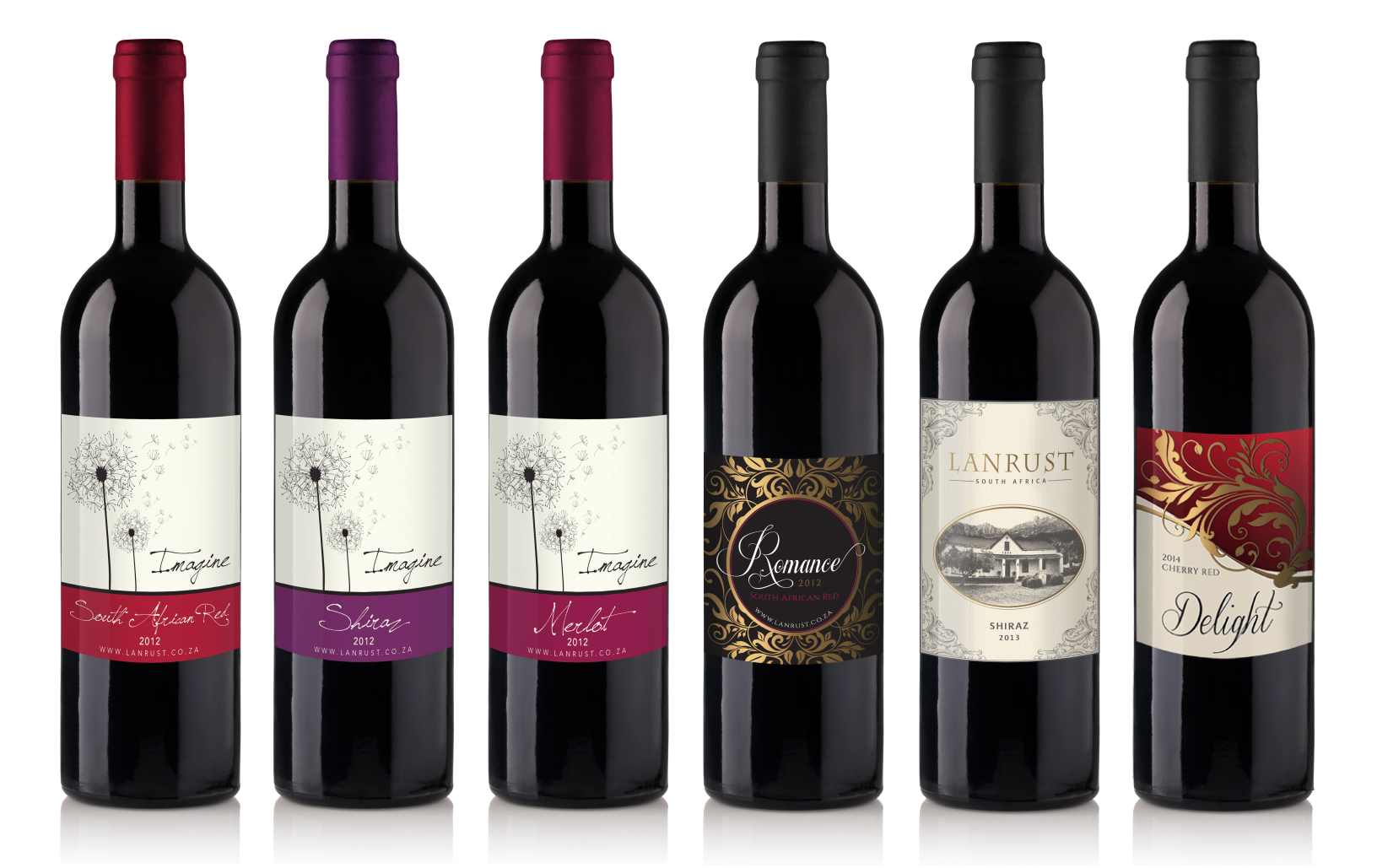
ROMANCE
Bottling date: 9 November 2015
Blend: 60% Pinotage, 32% Cabernet Sauvignon, 8% Merlot
Alcohol Content: 15.5%
The outstanding quality of this boutique wine is attributed to the 26 months it spent in imported French Oak Barrels. Wines stored in barrels for this length of time are reserved for wines of only the finest quality, and guarantees that distinctive wooded taste. Pinotage is a cultivar unique to South Africa that provides cherry, plum and smokey notes. Cabernet Sauvignon is added to strengthen the notes on the palette, and finally, Merlot is blended for balance and smoothness.
Enjoy with your favourite cut of steak or other meaty dishes.
2013 LANRUST SHIRAZ
Bottling date: 9 November 2015
Cultivar: Shiraz (90%), Merlot (10%)
Alcohol Content: 14.5%
Strong and smooth on the palette with a rich after-taste, credited mainly to its 2013 vintage, this easy-drinking wine is suitable for all occasions.
SEASONAL ACTIVITIES
SUMMER
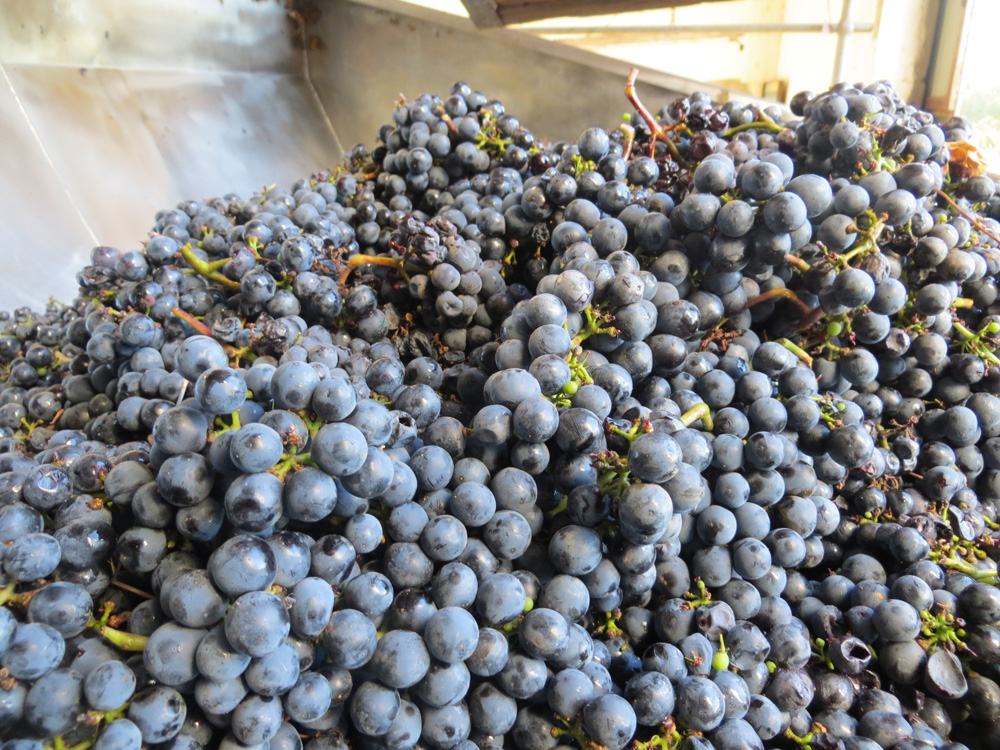
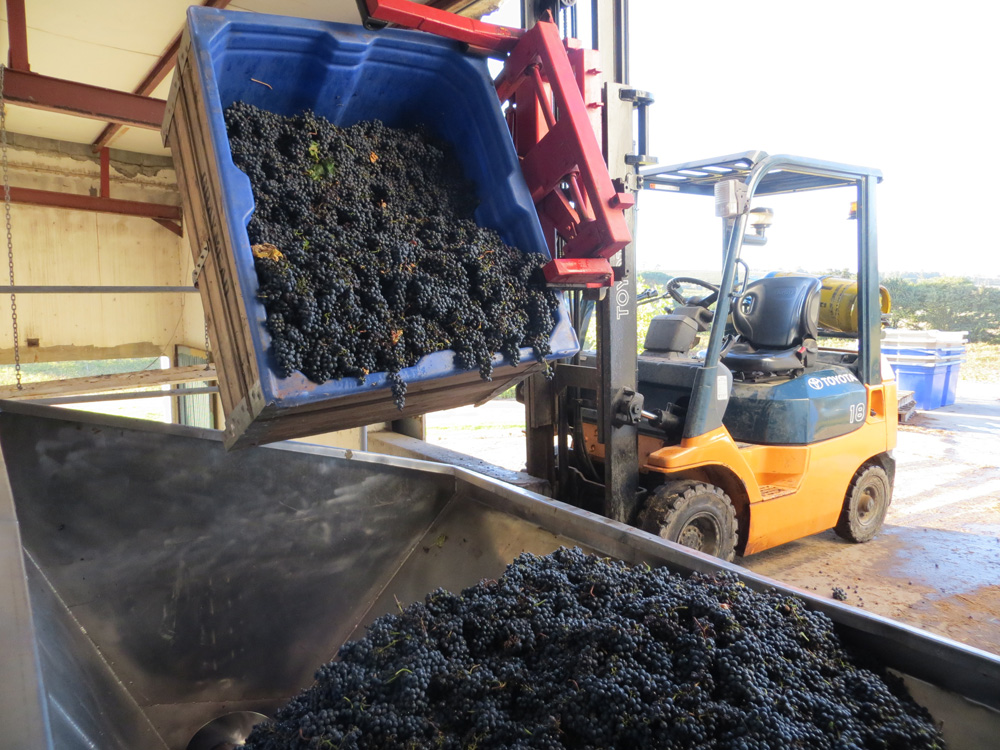
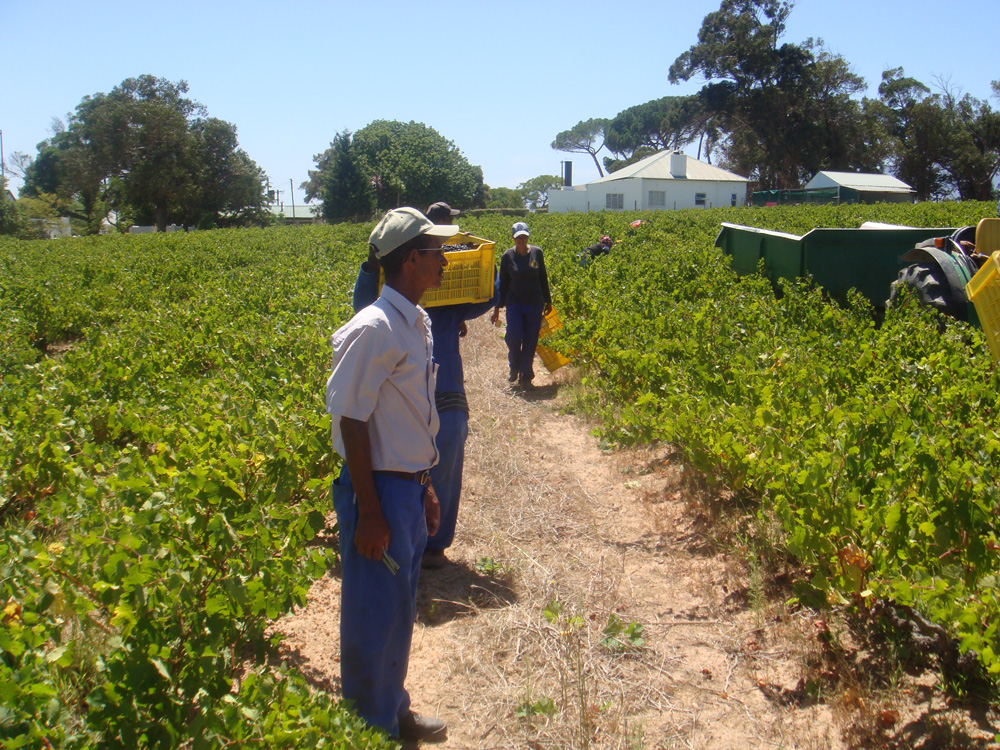
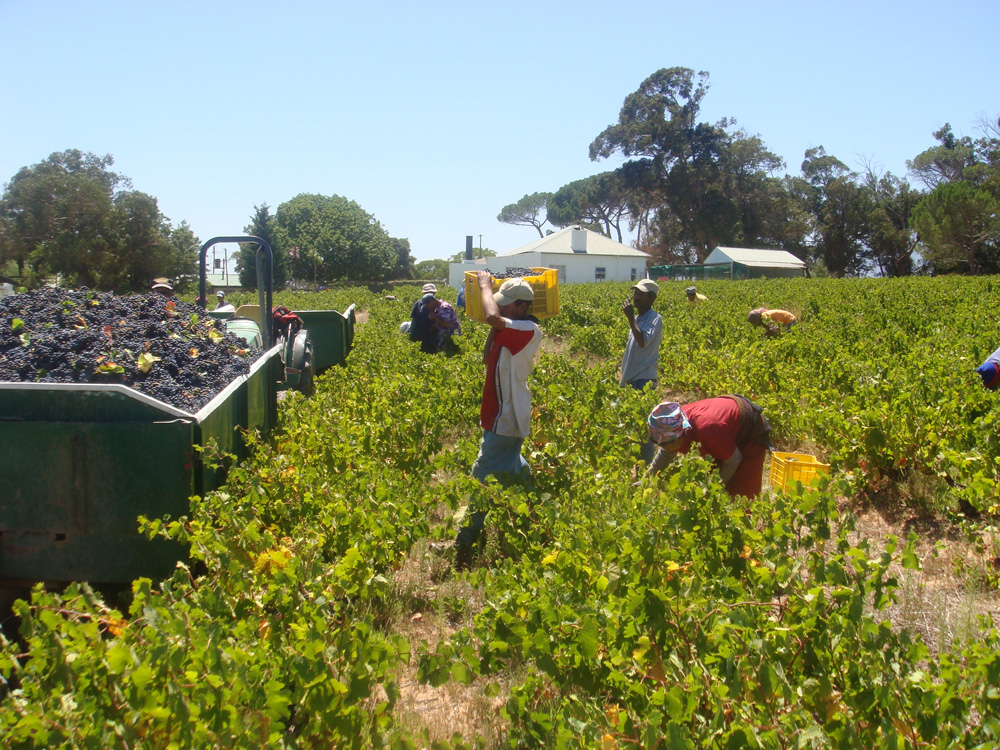
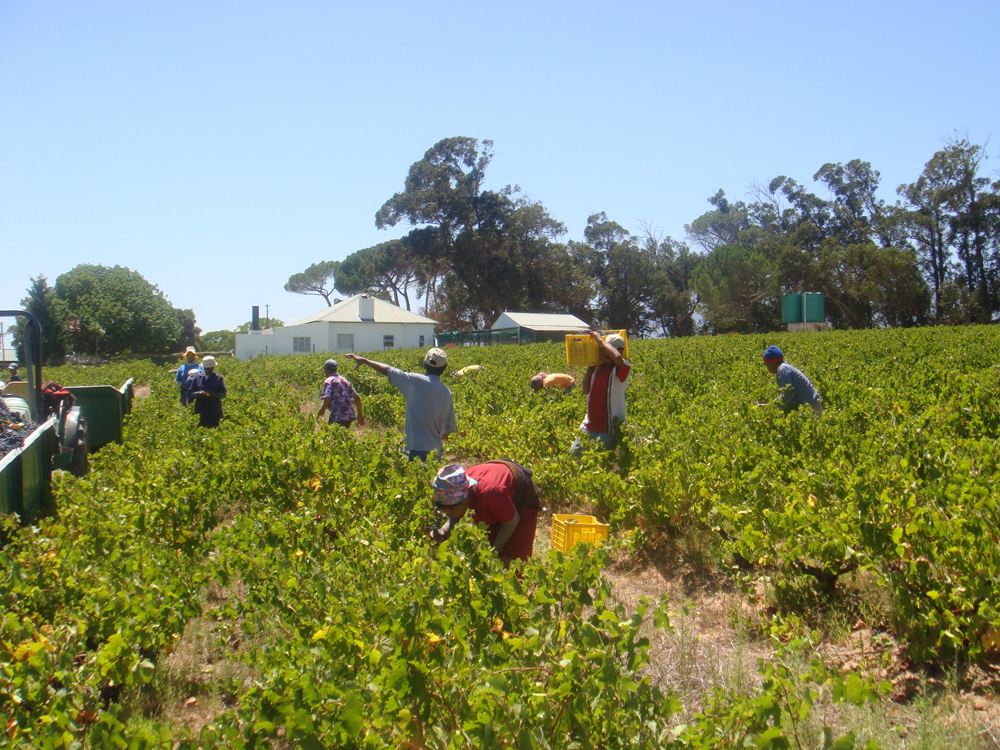
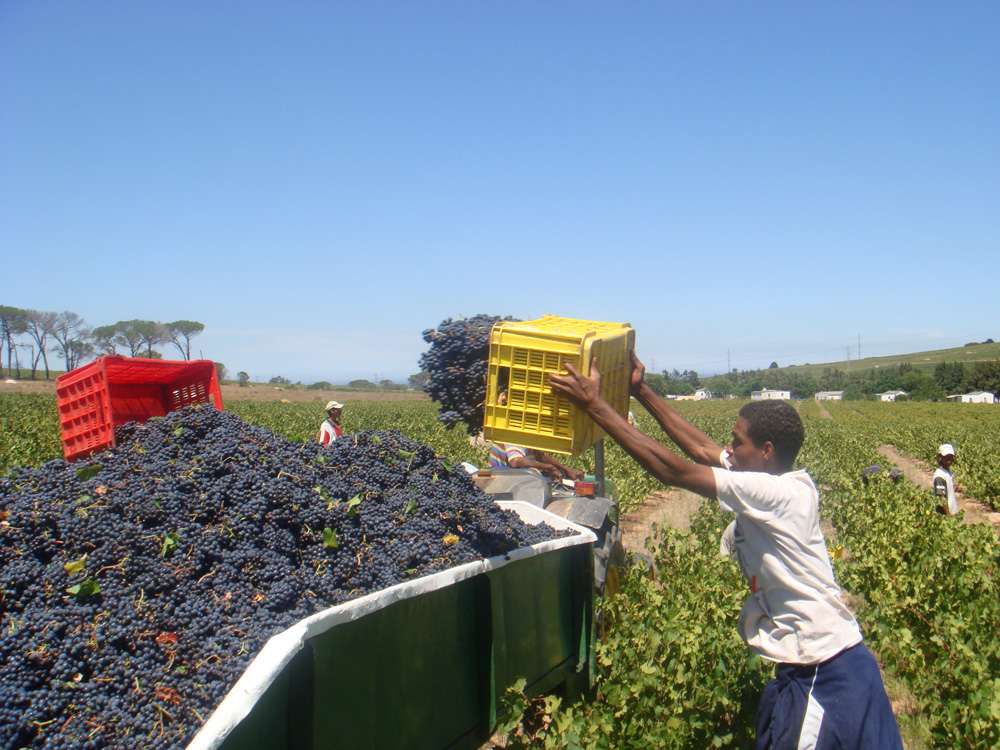
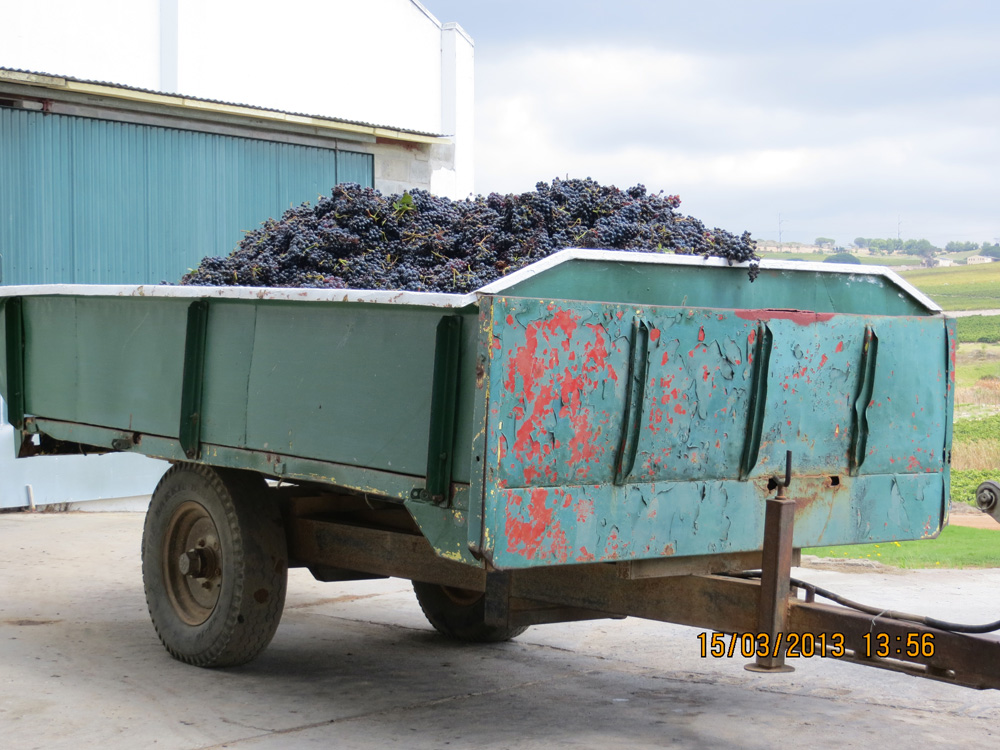
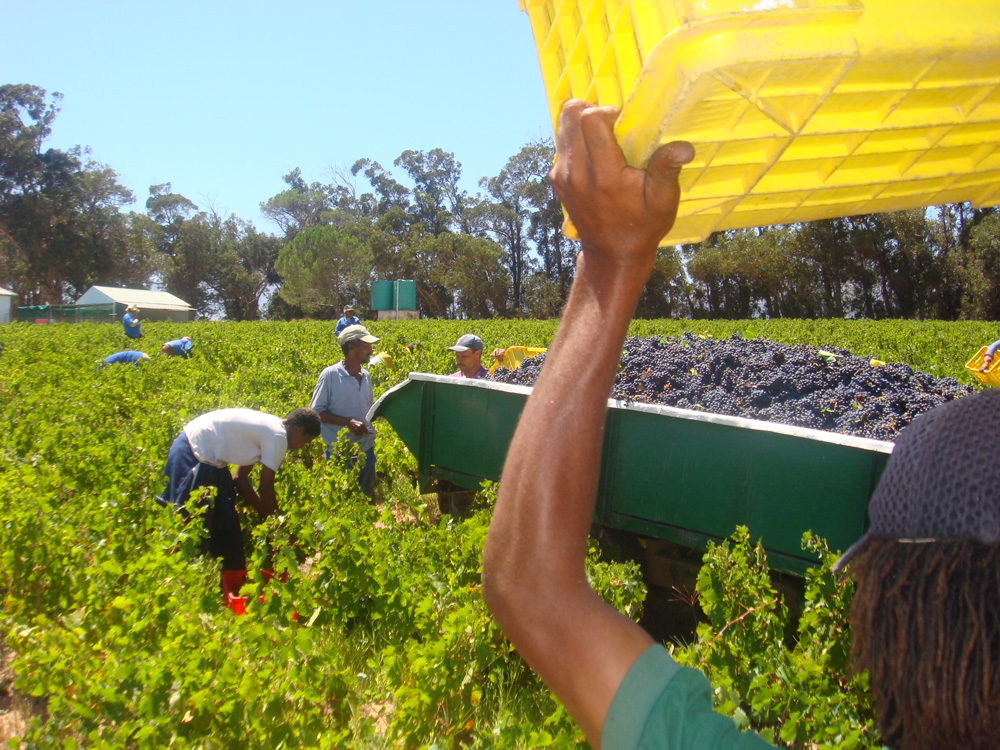
Harvest time! This is what we work towards for the rest of the year. By taking regular samples we determine the optimum time to pick each cultivar. Most other farm activities take a backseat while we bring in the crop and turn the grapes into wine in our cellar.
WINTER
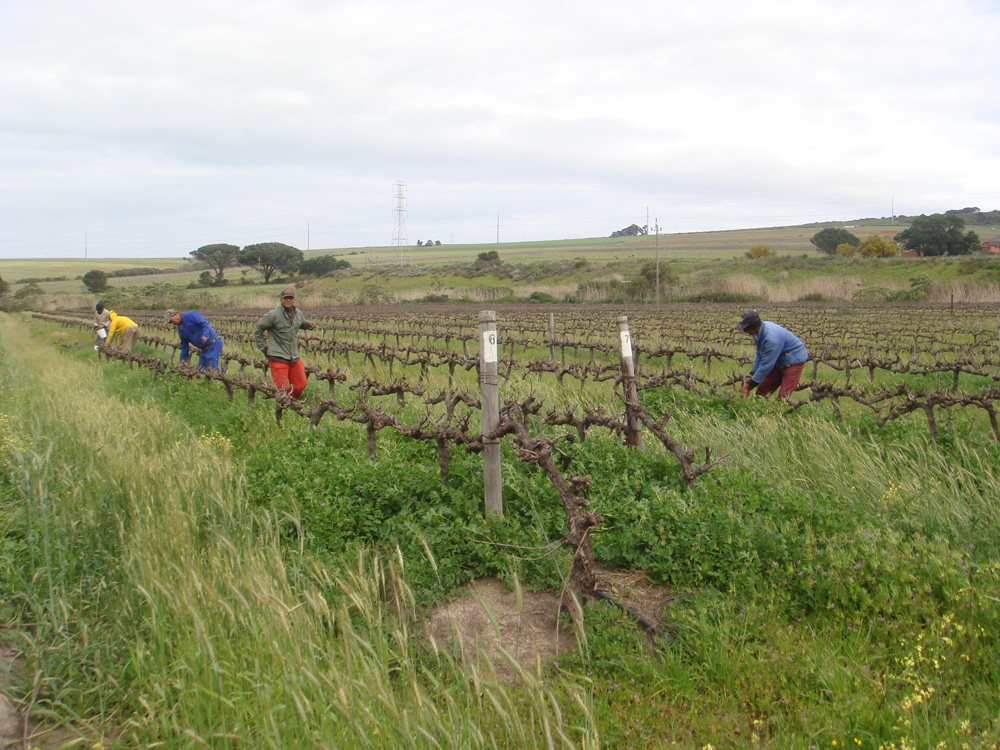
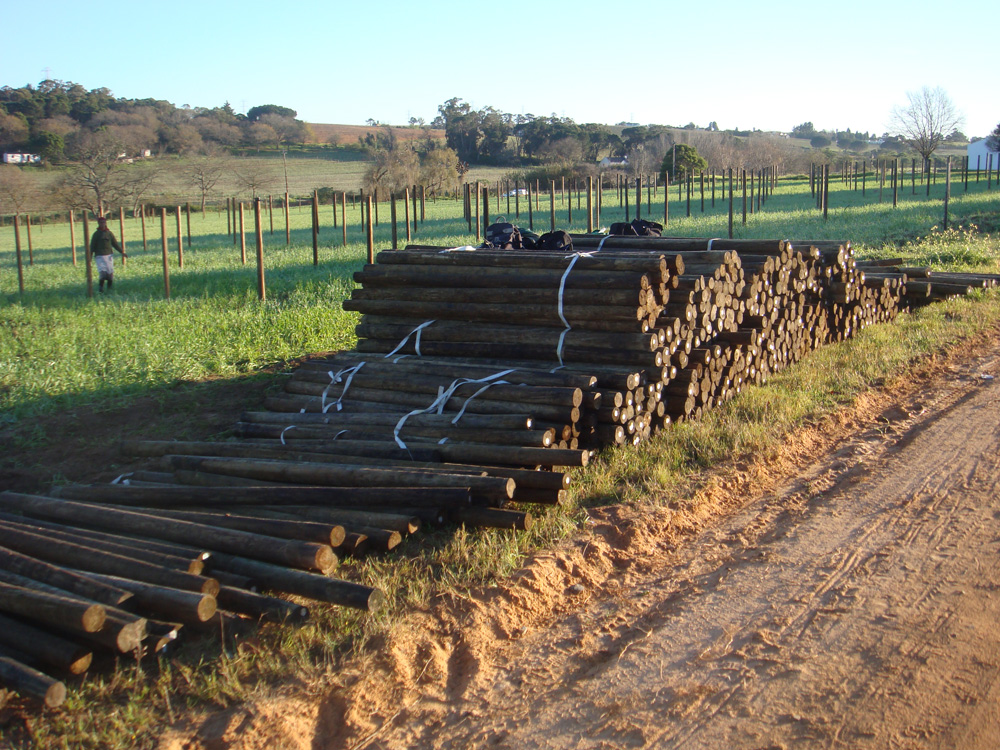
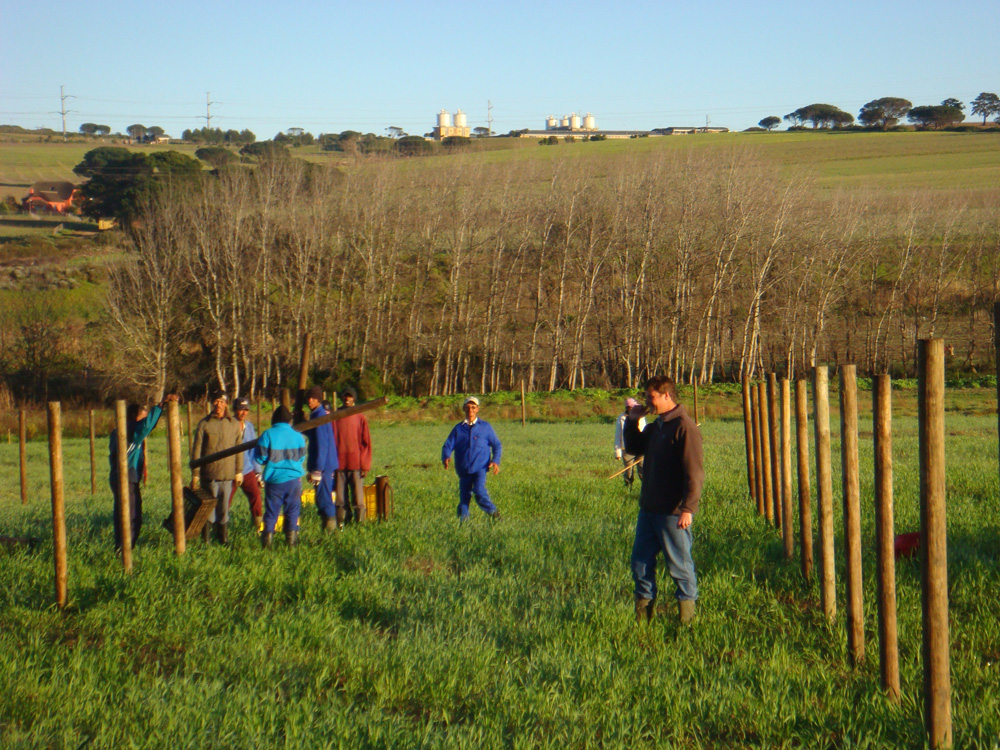
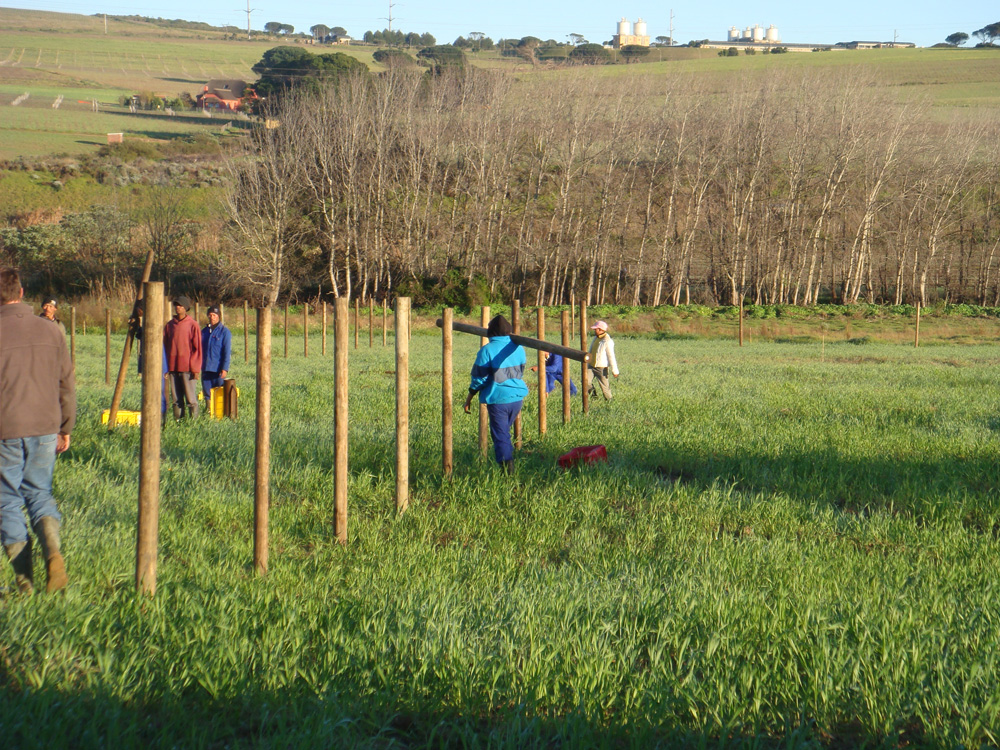
During winter we do general farm maintenance and in late winter we begin pruning the vines. This is also the time when we prepare for any new planting that will be done in early spring.
AUTUMN
After a short break to recover from the labours of summer it is time to reward the vines for the crop that was picked. Before the first winter rains arrive we put down fertiliser and irrigate the vineyards to ensure that good reserves will be built up for the next season. We also sow a cover crop between the vineyard rows to protect the soil against erosion during winter and to provide a blanket of organic material for the following spring and summer.
SPRING
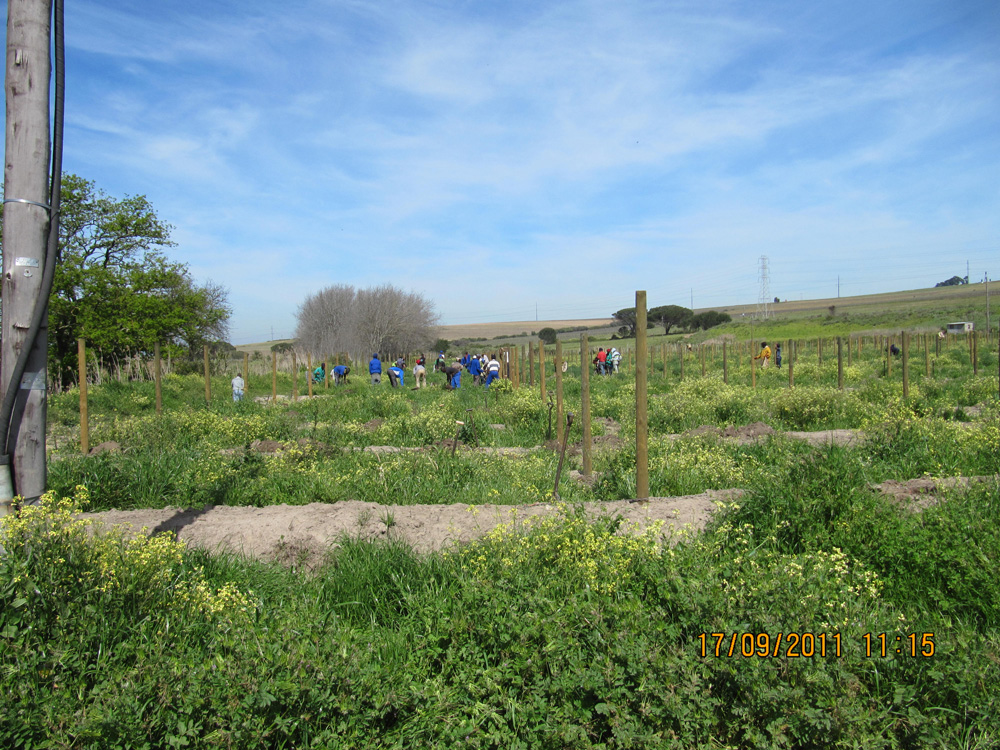
New vines are planted in the older vineyards. We begin with weed-control as well as a preventative spraying program for fungus. Once the vines start growing we begin with green vine manipulation. These activities include the suckering away of unwanted shoots and breaking away some leaves to allow light to penetrate the canopy. These practices carry on throughout spring and into early summer.